What Goes Into the Cost of Concrete in Red Deer?
Your Red Deer Concrete Contractor
Planning a driveway, patio, or foundation in Red Deer? One of the first questions homeowners and contractors ask is: "How much will this concrete project cost?" The answer isn't always straightforward. Concrete pricing depends on several factors—from the raw materials in the mix to the expertise required for proper installation. Understanding these cost drivers helps you budget accurately and make informed decisions about your project.
Material Costs: More Than Just Cement and Gravel
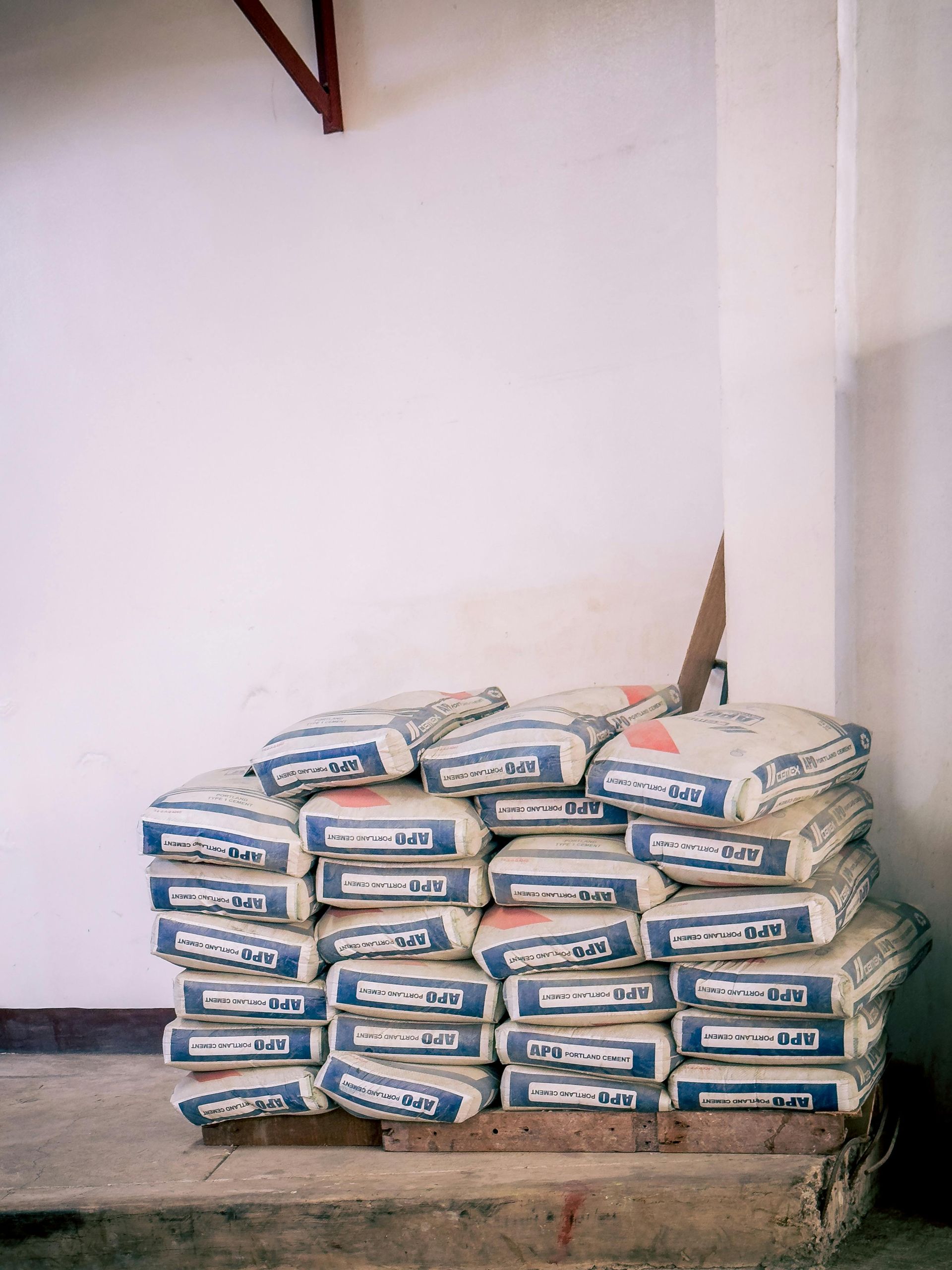
The price of ready-mix concrete starts with its core ingredients: cement, aggregates (sand and gravel), water, and admixtures. Each component plays a role in both performance and cost.
Cement acts as the binding agent. When combined with water, it forms a paste that holds the aggregates together. The type and quantity of cement directly influence the concrete's strength and price per cubic meter.
Aggregates make up the bulk of the mix—typically 60 to 75 percent by volume. Local availability matters here. Red Deer benefits from proximity to quality aggregate sources, which helps keep transportation costs lower compared to remote areas. However, aggregate prices still fluctuate based on demand, fuel costs, and extraction regulations.
Admixtures add functionality. Air-entraining admixtures are essential for durability in Alberta's freeze-thaw climate. According to Concrete Alberta, the Alberta Building Code requires a C2 exposure classification for driveways and garage floors, which translates to a compressive strength of 32 MPa at 28 days, a maximum water-to-cement ratio of 0.45, and 5 to 8 percent air content. These admixtures protect the concrete from cracking and scaling caused by freezing temperatures and de-icing salts, but they also add to the overall material cost.
Specialty admixtures—such as accelerators for cold weather or plasticizers for improved workability—can further increase the price. During Red Deer's long winters, accelerating admixtures are often necessary to speed up setting times and strength gain when ambient temperatures drop below 5°C.
Delivery and Order Size: The Short-Load Fee
Once your concrete is mixed, it needs to get to your site. Delivery costs depend on distance, truck size, and order volume.
Standard ready-mix trucks carry up to 10 cubic meters of concrete. If your project requires less than a full load, you'll likely encounter a "short-load fee." As Cart-Away Concrete Systems explains, these fees can add hundreds of dollars to small projects because suppliers still incur fixed costs for fuel, driver time, and equipment use—even when the truck isn't full.
For example, if you order 3 cubic meters instead of 10, the supplier may charge a premium to offset the inefficiency. This is why contractors often try to schedule multiple small pours together or coordinate with neighbors to split a full truckload.
Transportation distance also matters. The farther the plant is from your site, the higher the delivery charge. Fuel surcharges, waiting time fees, and difficult site access (narrow streets, tight turns, or unpaved approaches) can all push costs higher.
Labor and Expertise: Skilled Hands Make the Difference
Pouring concrete is more than just dumping it from a truck. Proper placement, finishing, and curing require skill and experience.
Labor rates in Red Deer reflect the expertise needed to handle Alberta's challenging conditions. Concrete finishers must work efficiently to place and finish the concrete before it sets—a timeline that shortens in cold weather. According to the American Concrete Institute's Guide to Cold Weather Concreting (ACI 306R-16), a 12°C drop in concrete temperature approximately doubles the set time, which can delay finishing operations and extend labor hours.
Finishing techniques also affect cost. A basic broom finish is less expensive than stamped or colored concrete, which requires specialized tools, training, and additional time on-site. Quality finishing prevents surface defects like scaling, dusting, and crazing, which are especially common when concrete is exposed to freeze-thaw cycles and de-icing chemicals.
Site Preparation: The Foundation Before the Foundation
Before any concrete arrives, your site needs preparation. Excavation, grading, and subgrade compaction are critical steps that affect both cost and long-term performance.
In Red Deer, frozen ground is a reality during much of the year. The American Concrete Institute defines cold weather as a period when the air temperature has fallen to, or is expected to fall below, 4°C during the protection period. Concrete should never be placed on frozen ground, as this can cause settlement, set delays, and even freezing of the fresh concrete itself. If your project is scheduled during late fall or winter, contractors may need to thaw the ground using insulated blankets or hydronic heaters—adding both time and expense.
Proper subgrade preparation ensures stable support for the concrete. Inadequate compaction or poor drainage can lead to cracking and settling. Gravel base layers, vapor barriers, and edge forms all contribute to the final cost.
Seasonal Considerations: Winter Brings Extra Costs
Alberta's climate has a major impact on concrete pricing and scheduling. Cold weather concreting requires additional precautions to protect fresh concrete from freezing and ensure proper curing.
According to Concrete Alberta, when the ambient temperature is at or below 5°C—or when there's a probability of temperatures falling below 5°C within 24 hours of placing—concrete must be maintained at 10°C for a minimum of 7 days. This means using insulated blankets, heated enclosures, or ground heaters to protect the pour.
CSA A23.1 mandates this 7-day curing period at 10°C for concrete subjected to freeze-thaw cycling and de-icer salt exposure. The goal is to allow the concrete to reach at least 70 percent of its specified 28-day strength before exposure to harsh conditions. According to ACI 306R-16, concrete protected from freezing until it attains a compressive strength of at least 3.5 MPa will not suffer permanent damage.
These protection measures aren't optional—they're essential for durability. But they add costs. Insulating materials, heaters, fuel, and the labor to monitor and maintain proper temperatures all factor into the final price. Contractors may also charge a winter premium to account for the increased complexity and risk.
Placing concrete after September 30th is generally not recommended unless proper cold weather procedures are followed. If you're planning a late-season project, expect higher costs and more stringent scheduling requirements.
Long-Term Value: Paying More Now Can Save Money Later
It's tempting to choose the cheapest concrete option, but cutting corners often leads to costly repairs down the road.
High-quality concrete with proper air entrainment, adequate cement content, and a low water-to-cement ratio resists freeze-thaw damage, scaling, and cracking. Concrete Alberta recommends their Duramix® specification for driveways and garage floors: a minimum cement content of 300 kg/m³, a maximum water-to-cement ratio of 0.45, 5 to 8 percent air content, and a target slump of 80 mm.
Investing in these specifications upfront reduces the likelihood of surface defects and structural problems. A well-designed and properly installed concrete slab can last more than 30 years with minimal maintenance. By contrast, lower-quality concrete may require patching, resurfacing, or even complete replacement within a decade.
Proper curing is equally important. Concrete that dries too quickly or freezes before reaching adequate strength will never achieve its full potential. Membrane-forming curing compounds, impervious paper, or plastic sheets help retain moisture during the critical early days. Concrete Alberta advises against using curing compounds when placing concrete after September 15th; proper cold-weather curing procedures should be followed instead, with a high-quality sealer applied in the spring.
Budgeting for Your Red Deer Concrete Project
Understanding what drives concrete costs helps you plan effectively and avoid surprises. Material quality, delivery logistics, skilled labor, site preparation, and seasonal challenges all play a role.
When requesting quotes, ask contractors to break down their pricing. Understand what's included—materials, labor, site prep, curing, and any winter protection measures. Compare specifications, not just total prices. A lower bid may use inferior materials or skip essential steps like air entrainment or proper curing.
Plan ahead. Scheduling your project during warmer months reduces costs and simplifies logistics. If a winter pour is unavoidable, budget for the additional protection measures and expect longer timelines.
Concrete is a significant investment, but it's also one of the most durable and versatile building materials available. By understanding the costs involved and prioritizing quality over short-term savings, you'll ensure your Red Deer concrete project stands up to Alberta's demanding climate for decades to come.
How much does a 20x20 concrete driveway cost in Red Deer?
For a standard 20x20 foot driveway (400 square feet), you can typically expect to pay between $4,000 and $6,000 in the Red Deer area. This estimate generally assumes a standard broom finish and basic site preparation.
However, the final price depends on several key factors:
- Concrete Thickness: A standard 4-inch pour is typical for passenger vehicles, but if you park heavy trucks or RVs, you may need a 5-6 inch pour, which increases the cost.
- Finishing Options: While a broom finish is the most economical, upgrading to exposed aggregate or stamped concrete will raise the price per square foot significantly.
- Site Preparation: If your existing driveway needs extensive removal or if the ground requires significant grading and gravel base work, labor costs will be higher.
We always recommend getting a detailed on-site quote to account for your property's specific grading and access needs.
What is the cost difference between a standard broom finish and exposed aggregate?
While a standard broom finish is your most economical option, upgrading to exposed aggregate in Red Deer typically adds between $3.00 and $6.00 per square foot to your project total.
For an average 20x20 driveway, this upgrade could increase your budget by $1,200 to $2,400. This price difference exists because exposed aggregate involves higher material and labor requirements:
- Specialized Concrete Mix: The concrete must contain a specific type of pea gravel or decorative stone, which costs more than the standard aggregate used in regular concrete.
- Additional Labor: The process requires applying a chemical surface retarder and returning later (often the same day or early next morning) to wash away the top layer of cement paste, revealing the stones beneath.
- Sealing: Exposed aggregate almost always requires an immediate high-gloss sealer to protect the stones and enhance the color, whereas sealing a broom finish is often optional or done later.
Pro Tip: If you love the look of exposed aggregate but want to keep costs down, consider doing a "border" design. Use the cheaper broom finish for the main body of the driveway and frame it with a 1-2 foot border of exposed aggregate.
Will Red Deer's freeze-thaw cycles increase my long-term maintenance costs?
Living in Alberta means your concrete faces harsh winters, so you should budget for preventative maintenance to avoid expensive repairs later. Because Red Deer experiences frequent freeze-thaw cycles (where snow melts and then freezes again rapidly), water penetration is your biggest enemy.
Here is what you need to know about protecting your investment:
- Sealing is Essential: To stop water from soaking into the concrete and cracking it when it freezes, you must reseal your driveway every 2 to 3 years. A high-quality acrylic sealer is relatively inexpensive (often a few hundred dollars for a DIY job) compared to the cost of replacing a spalled driveway.
- Avoid De-Icing Chemicals: Never use salt or harsh de-icers on concrete in Red Deer. These chemicals deteriorate the surface and cause scaling (flaking). Instead, use sand or kitty litter for traction. This costs almost nothing and preserves your driveway’s finish.
- Repair Cracks Early: If you see minor hairline cracks, fill them immediately with a flexible concrete filler before winter hits. This prevents water from getting deep inside and widening the crack when the temperature drops.
Bottom Line: While you don't need a huge monthly budget, ignoring winter prep can lead to thousands of dollars in premature replacement costs.